
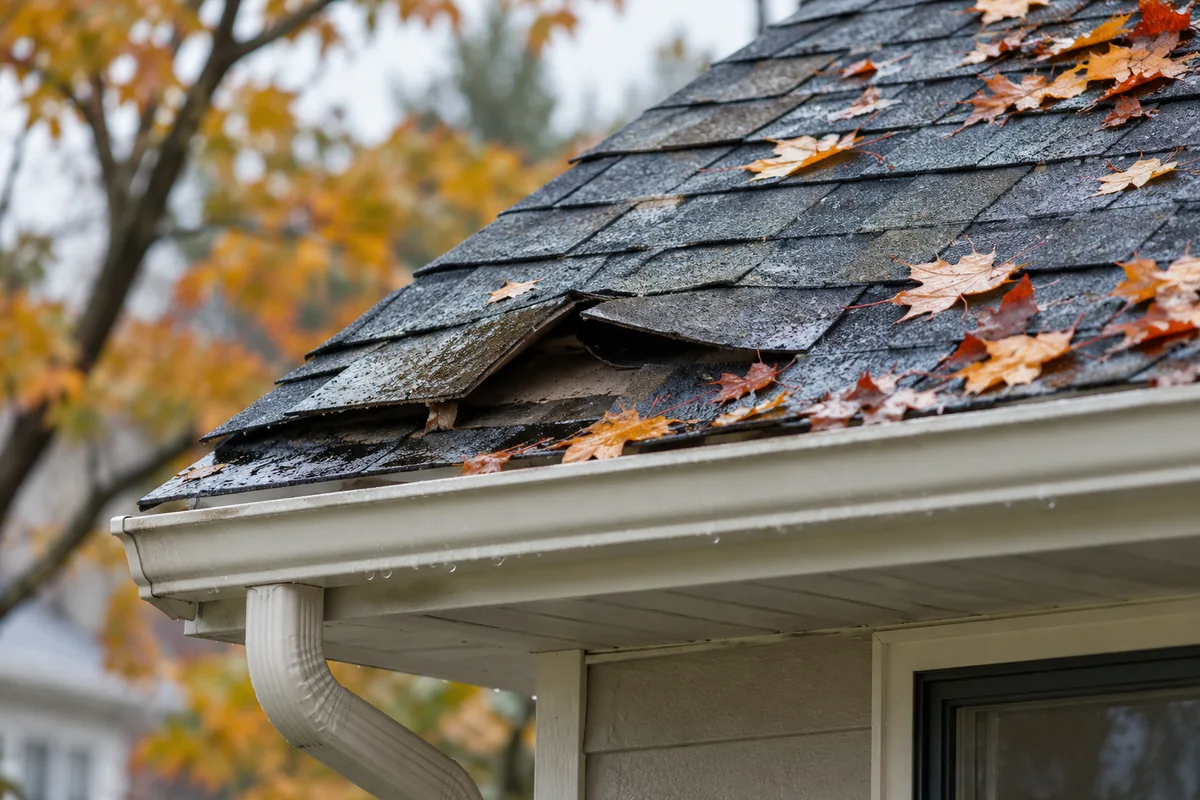
Begin with the condition now
Tell the provider whether water is currently entering, where the room is affected and what changed after the weather event. Mention missing materials or a fallen branch only if visible from a safe place. Do not approach damaged wires, unstable limbs or a compromised roof to improve the description.
If people are in immediate danger, seek emergency assistance. A roofing referral call is not an emergency-response service.
Three separate conversations
Immediate protection
Ask what can safely be done while the opening remains exposed and what limitations apply. Availability and weather can affect the options.
Assessment
Ask how the provider will identify the entry point, document damage and distinguish new findings from older wear.
Permanent work
Request the proposed repair boundary, materials and process for hidden damage. Temporary work should have a clear handoff to the lasting scope.
Build a useful record
Keep dated indoor or ground-level photos, a note of when water first appeared and any earlier repair documents. Save invoices for temporary measures and follow-up work. An approximate timeline is more useful than trying to estimate wind speed or identify a cause from an online image.
If an insurance conversation is relevant, use our insurance questions guide and follow your insurer’s documentation instructions.
A repair recommendation should match the evidence
Missing shingles, a damaged junction and widespread deterioration can require different work. Ask to see the condition supporting repair or replacement. A storm occurring recently does not mean every fault was caused by that storm.
For a specific roof covering concern, see shingle leak repair; for a junction, see flashing repair. Those pages help frame the assessment without diagnosing remotely.
Call with the address and active-leak status
Explain the urgency and ask an independent provider to confirm service fit, possible scheduling and any assessment charge. Bethlehem RoofLeak does not guarantee a response time, insurance outcome or repair result.
If a permanent repair cannot be assessed immediately, discuss temporary roof tarping and the follow-up responsibility.
Questions homeowners ask
Clear answers before the callDoes a leak after a storm prove storm damage?
No. Timing helps the assessment, but older wear or another defect may also be involved. Ask the provider to document what it finds.
Should I inspect the roof myself after wind?
Observe from indoors or the ground where safe. Do not climb onto a wet or damaged roof or approach unstable branches and electrical hazards.
What if the leak has stopped now?
Record when it occurred and keep safe photos. Dry weather does not establish that the entry point has been repaired.
Is tarping part of every repair visit?
No. Ask whether temporary protection is suitable and available, whether it is separately priced and who handles follow-up.
Can the provider decide what insurance pays?
The provider can describe construction findings. The insurer determines coverage under the policy; this website cannot promise reimbursement.
Does calling book an emergency crew?
No. A call lets you discuss the concern and seek an independent provider, which must confirm availability and appointment terms.